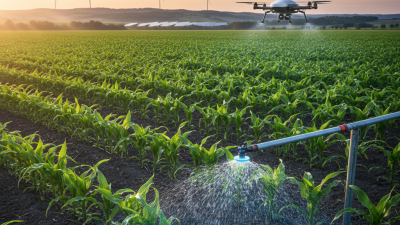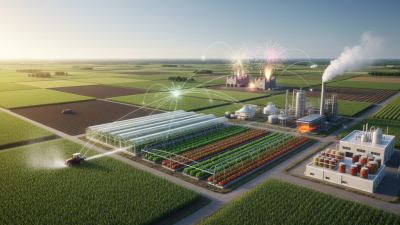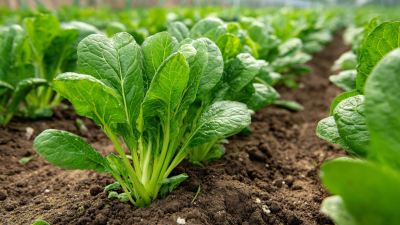
For global agricultural buyers, input selection is rarely based on price alone. They assess nutrient consistency, application efficiency, crop response, and supply reliability. Water Soluble Fish Fertilizer attracts attention because it can disperse quickly in irrigation systems or foliar programs. When properly processed, it may provide nitrogen, organic compounds, and trace nutrients in a convenient liquid format. The practical value appears in small details: a clean mixing tank, fewer undissolved particles, and uniform delivery across a greenhouse bed.
Yet performance is not automatic. Fish-based products differ in raw materials, hydrolysis methods, nutrient analysis, salinity, odor, and shelf stability. A professional buyer should request laboratory reports, batch specifications, safety data, and clear dilution guidance. Independent testing can confirm declared nutrients and reveal contamination risks. Supplier experience also matters when products cross climates, ports, and storage conditions. No product fits every farm. Some crops need precise nutrient management, while certain irrigation systems tolerate organic inputs poorly. Buyers should conduct a small trial before making a large commitment. Observe leaf color, root development, clogging, odor, and measurable yield changes. Results vary. Not every trial succeeds. The evidence may be less dramatic than marketing language suggests. That is useful information.
For international purchasers, dependable documentation and responsive technical support build confidence. Certifications should be verified, not merely displayed. A reliable Water Soluble Fish Fertilizer supplier explains limitations as openly as benefits. This practical honesty supports better decisions, responsible agriculture, and more predictable results across diverse markets.
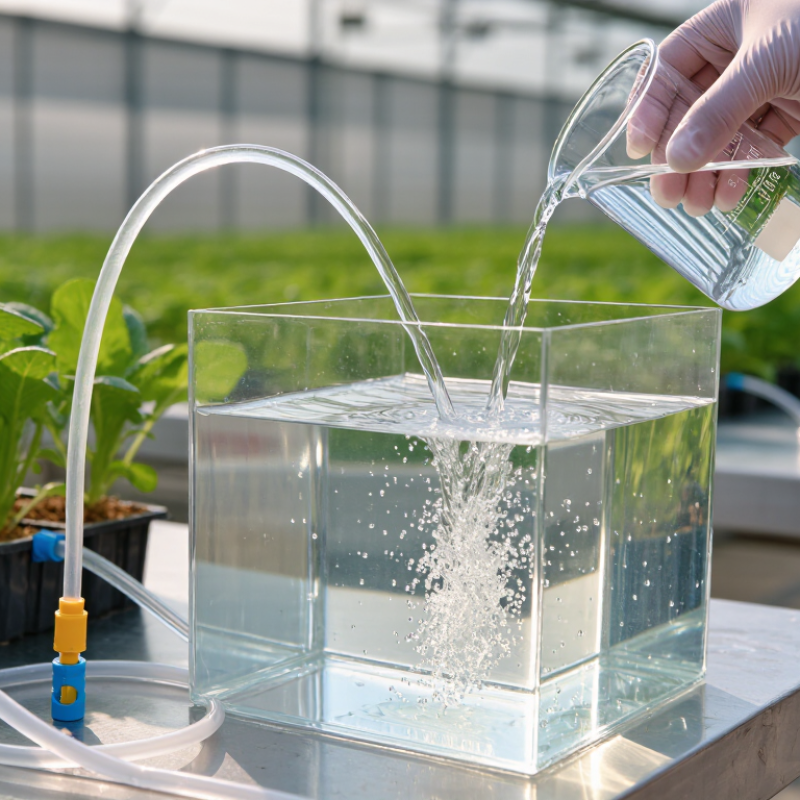
Water-soluble fish fertilizer is a liquid or powdered plant nutrient made from processed fish materials. Enzymatic hydrolysis, filtration, and concentration release nitrogen, phosphorus, potassium, amino acids, and organic matter. Unlike raw fish waste, the finished product can dissolve in irrigation water. It may also suit fertigation and some foliar applications when the label permits. The word “soluble” needs care. Some products leave sediment, especially after cold storage.
The raw-material story is substantial. FAO’s The State of World Fisheries and Aquaculture 2024 reported 185.4 million tonnes of global aquatic animal production in 2022. Processing creates by-products that can enter nutrient recovery systems instead of becoming waste. For global buyers, a dependable specification matters more than a strong smell or dark color. Request a certificate of analysis showing total nitrogen, available phosphorus, potassium, pH, electrical conductivity, moisture, and density. Heavy metals and microbiological limits also require documented testing. Nutrient values can vary between batches. That is the inconvenient part. A supplier should explain the fish source, processing temperature, filtration level, and storage life. USDA fertilizer guidance and local regulations may classify these products differently across markets, so import documents need careful review. Field performance also depends on soil, crop stage, dilution, and water quality. More fertilizer is not automatically better. A small compatibility test can prevent clogged emitters and damaged leaves.
Water-soluble fish fertilizer is an organic fertilizer made from processed fish materials and formulated to dissolve in water for irrigation or foliar application. A common representative analysis is 5-1-1, meaning approximately 5% total nitrogen, 1% available phosphate (P₂O₅), and 1% soluble potash (K₂O) by weight. Actual nutrient levels vary by formulation and should be verified on the product guarantee.
Why Choose Water-Soluble Fish Fertilizer for Global Buyers?
How Is Water-Soluble Fish Fertilizer Produced?
Production begins with fresh fish materials or clean processing by-products. FAO’s The State of World Fisheries and Aquaculture 2024 reported about 185 million tonnes of global aquatic animal production in 2022. This scale creates valuable raw materials, but freshness remains critical. Poorly stored fish can develop odors and unstable nutrients. Manufacturers usually grind the material, then apply enzymatic or controlled acid hydrolysis. This breaks proteins into soluble peptides and amino acids. The liquid is separated, filtered, and concentrated before packaging. Some producers also use low-temperature drying. Heat control matters because excessive heat may reduce biological value.
Water-soluble quality depends on more than appearance. Buyers should review nitrogen, phosphorus, potassium, organic matter, pH, salinity, and insoluble residue. Laboratory testing should confirm heavy-metal and microbial limits according to the destination market. The International Fertilizer Association emphasizes nutrient analysis and product stewardship across fertilizer supply chains. Still, fish-based inputs are not perfectly uniform. Species, season, processing method, and storage time can change the final profile. That variability deserves honest labeling. Clear batch records improve trust.
Tips: Request a recent certificate of analysis, solubility testing, and raw-material traceability. Check whether the product dissolves fully in your irrigation system. A small field trial is wise. Results may differ across soils and crops.
| Production Stage / Evaluation Dimension | How It Is Done | Typical Technical Data | Importance for Global Buyers |
|---|---|---|---|
| 1. Raw Material Selection | Fresh fish, fish trimmings, frames, heads and other edible-fish processing by-products are collected and chilled before processing. | Raw material is normally processed quickly after collection to limit oxidation, microbial growth and unpleasant odor development. | Upcycled marine by-products support resource efficiency and can provide a traceable source of organic nitrogen, peptides and minerals. |
| 2. Cooking and Separation | The raw material is heated to release oil and soluble nutrients, then pressed, screened or centrifuged to separate solids, oil and liquid fractions. | Industrial fish-processing lines commonly use controlled heating in approximately the 85–100°C range, depending on the raw material and equipment. | Efficient separation improves consistency, reduces sediment and helps produce a fertilizer suitable for fertigation and foliar application. |
| 3. Hydrolysis | Proteins are broken into smaller peptides and amino acids through enzymatic or controlled biological hydrolysis. Some products use acid hydrolysis, although this may affect nutrient quality. | Enzymatic processing is often conducted under moderate conditions, commonly around 45–60°C, with pH and time controlled according to the enzyme system. | Smaller dissolved organic compounds generally improve handling, mixing and nutrient availability compared with untreated fish solids. |
| 4. Filtration and Clarification | The hydrolysate is filtered or centrifuged to remove coarse particles and insoluble matter before concentration or filling. | The final filtration level depends on the application; finer filtration is preferred for drip irrigation and spraying equipment. | Lower suspended solids reduce the risk of blocked emitters, clogged nozzles and uneven application in modern irrigation systems. |
| 5. Concentration and Stabilization | Water may be removed under controlled conditions. The liquid is then stabilized, commonly through pH adjustment, approved preservatives or hygienic filling procedures. | Liquid products are typically sold with a declared density, pH, dry matter or organic matter level; specifications vary by formulation. | Stable products are easier to store, transport and register across markets when packaging and shelf-life data are clearly documented. |
| 6. Typical Nutrient Profile | The soluble hydrolysate retains organic nitrogen, water-soluble nutrients, peptides and naturally occurring minerals from the fish raw material. | Typical liquid fish fertilizers may contain approximately 2–5% total nitrogen, with phosphorus and potassium often lower and highly variable. The product label and laboratory certificate are authoritative. | Buyers can select a formulation according to crop stage, soil condition, fertigation plan and local fertilizer-registration requirements. |
| 7. Water Solubility and Application | The finished liquid or soluble concentrate is diluted in water and applied through fertigation, soil drenching or foliar spraying, subject to the product label. | Application dilution varies by concentration, crop and method. A jar test and compatibility check are recommended before tank mixing. | Water compatibility enables flexible use in greenhouse production, open-field crops, horticulture and irrigation-based farming. |
| 8. Quality-Control Tests | Each batch may be checked for nutrient content, pH, density, dry matter, microbial quality, heavy metals, salinity and physical stability. | Testing requirements differ by destination country and fertilizer category. Certificates of analysis should identify the test method, batch number and production date. | Consistent documentation supports import clearance, product registration, responsible use and reliable performance comparisons. |
| 9. Packaging and Storage | The fertilizer is filled into sealed, chemical-compatible containers such as bottles, jerry cans, drums or intermediate bulk containers. | Storage should generally be in a cool, dry, ventilated place away from direct sunlight and freezing conditions, following the product label. | Suitable packaging reduces leakage, contamination and transport losses during international shipping and warehouse handling. |
| 10. Main Advantages for International Buyers | Water-soluble fish fertilizer combines organic nutrient inputs with convenient liquid handling and compatibility with many modern application systems. | Key purchasing criteria include guaranteed analysis, solubility, filtration level, odor control, shelf life, batch consistency, compliance documents and packaging options. | It can help buyers source a versatile organic fertilizer for diverse crops while supporting circular use of fish-processing by-products. |
Note: Nutrient values and processing conditions are typical industry ranges rather than universal specifications. Actual values depend on fish species, raw-material freshness, hydrolysis method, filtration, concentration and the regulations of the destination market.
Why Choose Water Soluble Fish Fertilizer for Global Buyers?
What Nutrients Does It Provide to Crops?
Water soluble fish fertilizer supplies nutrients in a form crops can access through irrigation or foliar spraying. Its main nutrient is usually nitrogen, which supports leaf growth, chlorophyll formation, and plant recovery after stress. Some formulations also contain phosphorus for root development and flowering. Potassium may support water regulation, fruit quality, and stronger stems.
The nutrient profile depends on the fish source and processing method. A reliable product should show a clear guaranteed analysis. It may provide calcium, magnesium, sulfur, and small amounts of iron, zinc, or manganese. Amino acids and organic compounds can also support soil biological activity, but their levels vary widely. Do not assume every liquid has the same value.
In greenhouse trials, growers often notice greener leaves and steadier early growth after proper dilution. Results can change with soil pH, crop type, temperature, and application timing. That part is easy to underestimate. Fish fertilizer is not a complete replacement for every nutrient, especially when crops have high phosphorus or potassium demands. Buyers should review laboratory reports, contaminant testing, solubility, storage stability, and local fertilizer rules before purchase. Batch consistency matters. A strong label is useful, but field performance still deserves careful observation.
Why Choose Water Soluble Fish Fertilizer for Global Buyers?
Why Do Global Buyers Choose This Fertilizer?
Global buyers often choose water soluble fish fertilizer for practical reasons. It mixes quickly in tanks, drip systems, and foliar sprayers. That reduces blocked nozzles and uneven application. The product also fits farms seeking liquid inputs with measurable nutrient content.
Supply transparency matters. FAO’s State of World Fisheries and Aquaculture 2024 reported 185.4 million tonnes of global fisheries and aquaculture production in 2022. Fish-processing by-products can become useful agricultural inputs instead of discarded material. However, raw materials differ by species, processing method, and storage conditions. The evidence is promising, but it is not uniform. Buyers should request a current certificate of analysis, showing nitrogen, phosphorus, potassium, pH, salinity, and contaminant limits. A small field trial remains wise. It is not a magic bottle.
Tips: Compare soluble solids, filtration size, odor, shelf life, and dilution instructions. Ask for batch testing and documented quality controls. Check local fertilizer registration before importing. OECD-FAO Agricultural Outlook 2024-2033 also emphasizes more efficient nutrient management, making application precision increasingly important. Water solubility helps, but it does not replace soil testing, crop diagnosis, or careful irrigation management.
Water-soluble fish fertilizer suits growers who need flexible feeding across different crops and climates. It dissolves quickly in clean water and can support soil application, drip systems, or foliar spraying. Always follow the product label and begin with a lower dilution on a small test area. Crop response varies with temperature, soil condition, and plant age. A uniform schedule may still need adjustment.
For soil drenching, apply the diluted solution around the root zone, not directly against the stem. For foliar use, spray during cool morning hours and avoid strong sunlight.
Filter the mixture before using irrigation equipment, especially when small particles remain. Clean tanks and lines after application. Application results are not perfectly predictable. Soil testing and local agronomic advice provide stronger guidance than guesswork.
Tips:
Keep the container tightly sealed in a cool, dry, shaded place. Protect it from freezing and excessive heat. Do not store diluted fertilizer for long periods, because its quality may change. Shake or gently mix the product before dilution, and use clean water whenever possible. Check the label for storage limits, dilution rates, crop restrictions, and local agricultural requirements. A simple record of date, rate, weather, and crop response can reveal mistakes that memory misses.