Why Choose Water Soluble P Fertilizer for Optimal Plant Growth?
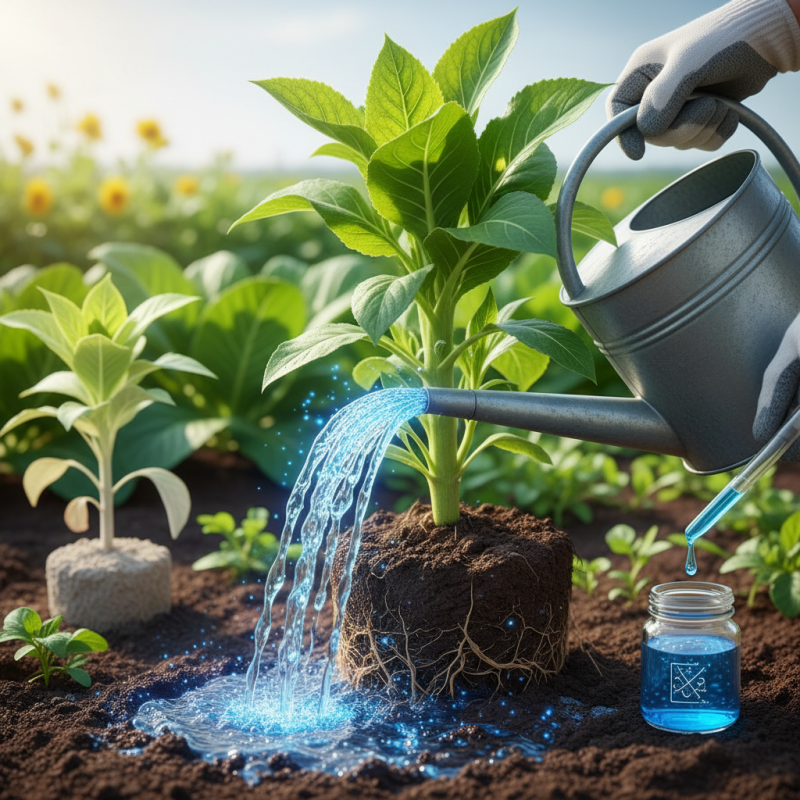
Plants thrive on essential nutrients. Among these, phosphorus plays a vital role. Water Soluble P Fertilizer provides an efficient way to deliver phosphorus directly to plants. This fertilizer enhances nutrient absorption, promoting healthier growth.
Plants need phosphorus for energy transfer, photosynthesis, and root development. Water Soluble P Fertilizer ensures that plants access this critical nutrient effortlessly. However, not all plants respond the same way. Some might struggle with the concentration. It’s essential to monitor their response and adjust application accordingly.
Moreover, this type of fertilizer can be mixed with water. This feature makes it easy to use in various irrigation systems. Yet, overapplication can lead to challenges. High phosphorus levels can harm water ecosystems. Thus, careful management is necessary. Selecting the right balance will ultimately support optimal plant growth.
Benefits of Water Soluble P Fertilizers for Plant Development
Water-soluble phosphorus (P) fertilizers are essential for plant development. They dissolve quickly in water, providing immediate access to plants. This fast absorption helps in critical stages like root development and flowering. Healthy roots lead to robust plants.
Plants often struggle without sufficient phosphorus. It supports energy transfer through ATP. This nutrient boosts photosynthesis, leading to vigorous growth. However, it's crucial to avoid over-fertilization. Too much phosphorus can harm the environment. Balancing nutrient application is vital for sustainable gardening.
Proper timing and application methods matter. Regularly testing soil can prevent nutrient deficiencies. Observing plant responses can help refine fertilization practices. Ultimately, understanding the needs of plants and maintaining nutrient balance can lead to optimal growth.
Understanding the Nutrient Release Mechanism in Water Soluble Fertilizers
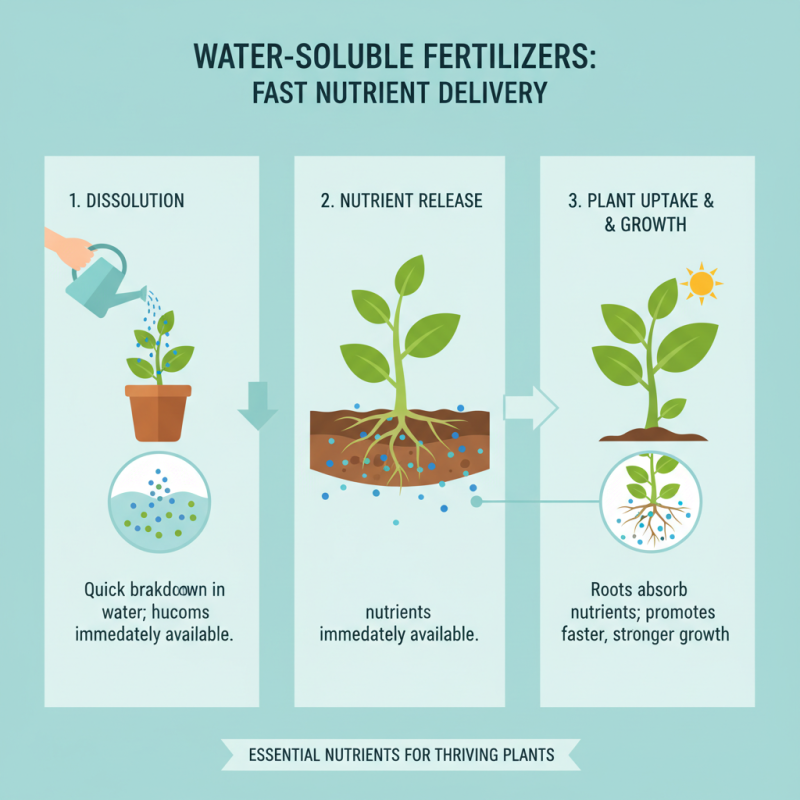
Water soluble fertilizers are a popular choice among gardeners and farmers. They provide essential nutrients directly to plants through the soil and water. The mechanism behind nutrient release is quite fascinating. When dissolved in water, these fertilizers break down quickly, allowing nutrients to become available almost instantly. Plants can absorb these nutrients right away, which promotes faster growth.
However, there are challenges associated with this quick release. Over-application can lead to nutrient runoff, causing environmental concerns. On the other hand, under-application may not meet the plants' demands. It's important to find a balance. Understanding soil conditions is crucial in this process. Each location has its unique requirements. Some may need a higher concentration, while others thrive on less.
Microbes in the soil also play a significant role in nutrient availability. They interact with the soluble fertilizers and help convert nutrients into usable forms for plants. Not all fertilizers yield the same results due to varying soil compositions and microbial life. This variability can lead to unpredictable plant responses. Therefore, frequent soil testing is a wise practice to ensure optimal nutrient levels.
Comparing Water Soluble P Fertilizers with Traditional Fertilizers
Water soluble P fertilizers are becoming a popular choice among modern farmers for their effectiveness in enhancing plant growth. Unlike traditional fertilizers, which release nutrients slowly, water soluble options provide immediate availability of phosphorus. This can lead to faster root establishment and improved crop yields. According to a recent study, crops treated with water soluble P fertilizers showed a 15-20% increase in growth rates compared to those with traditional fertilizer pathways.
Many traditional fertilizers rely on soil microbes to convert nutrients into plant-available forms. This process can be slow and sometimes unreliable, especially in poor soils. In contrast, water soluble P fertilizers deliver nutrients directly when plants need them, reducing the risk of nutrient lock-up. The Global Fertilizer Industry report suggests that efficiency in nutrient use can improve by up to 30% when water soluble options are integrated into standard practices.
Tips: When using water soluble P fertilizers, mix them with water at the recommended rates. Over-concentration can lead to nutrient burn. Regularly test your soil to understand its nutrient needs. Also, consider timing your applications, as this can dramatically impact uptake efficiency during key growth stages. Balancing both fertilizer types might offer the best solution, but always aim for an informed choice.
Comparison of Nutrient Availability: Water Soluble P Fertilizers vs Traditional Fertilizers
This chart illustrates the nutrient availability in parts per million (ppm) of water soluble phosphorus fertilizers compared to traditional phosphorus granules. Water soluble fertilizers show significantly higher nutrient availability, which can enhance plant growth and nutrient uptake efficiency.
Application Methods and Timing for Maximum Effectiveness
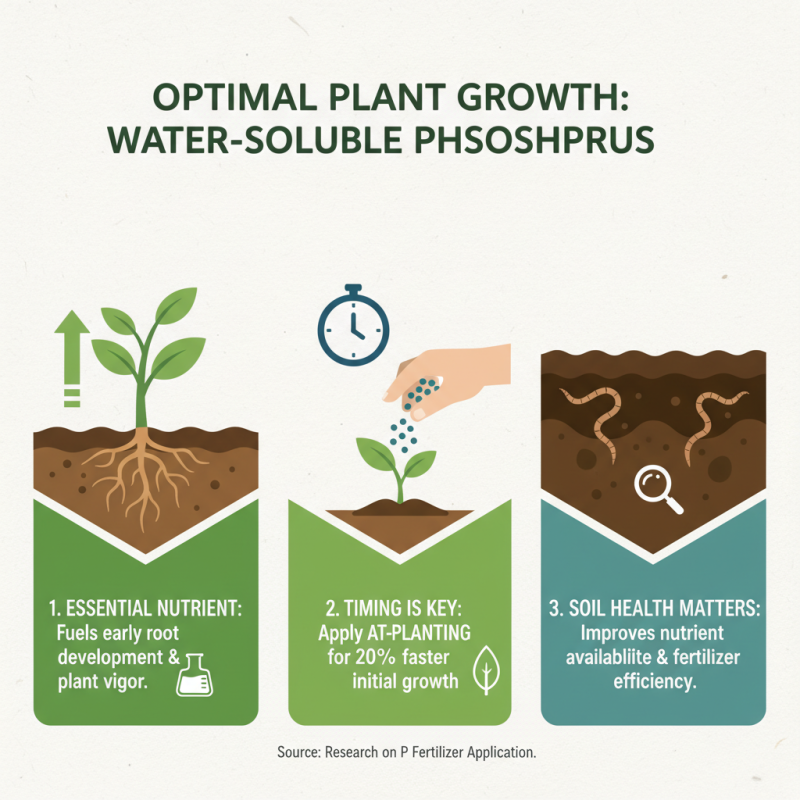
Water soluble phosphorus (P) fertilizers are essential for optimal plant growth. Their effectiveness largely depends on how and when they are applied. Soil health is fundamental. Studies show that applying water soluble P at planting time boosts initial growth rates by 20% or more. Early phosphorus availability supports root development and overall plant vigor.
Timing is critical. Research indicates that applying water soluble P during the early growth stage can maximize its uptake. A notable report suggests that foliar applications can lead to a 15% increase in phosphorus absorption by plants. This method can be particularly beneficial in high-demand growth phases. Yet, some growers may overlook this approach, leading to suboptimal results.
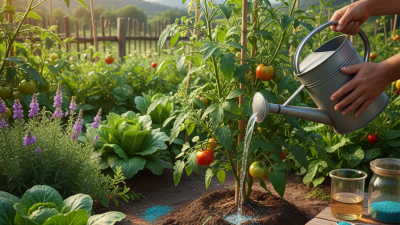
The method of application also influences effectiveness. Many farmers prefer fertigation, where nutrients dissolve in irrigation systems. This can enhance uniform distribution. However, not all systems are calibrated for optimal solubility, which can lead to wastage. Inconsistent application often results in uneven growth patterns. Addressing these issues can improve yields substantially. Striving for a balanced approach in timing and method could transform agricultural practices significantly.
Factors to Consider When Choosing Water Soluble Fertilizers for Crops
When selecting water soluble fertilizers for crops, several critical factors come into play. Knowing the nutrient composition is essential. For example, nitrogen, phosphorus, and potassium ratios can directly influence plant growth. According to research from the International Fertilizer Association, proper nutrient balance can improve yields by as much as 30%. Farmers often overlook soil tests, which can lead to improper nutrient application.
Another vital consideration is the solubility of the fertilizer. Some products dissolve quickly, while others do not. Quick-dissolving fertilizers can provide immediate nutrient availability; however, they may require more frequent applications. A USDA study suggests that crops often take up nutrients best when they are in readily available forms. Timing and method of application matter as well. Incorrect application methods can lead to nutrient runoff or leaching, which is wasteful.
Water quality is also pivotal. High levels of salts or contaminants can affect the effectiveness of the fertilizer. A report from the Food and Agriculture Organization highlights that poor water quality can stunt crop growth and deplete necessary nutrients. Farmers need to assess their water sources carefully. It's a complex process, requiring diligence and proper decision-making, yet vital for ensuring optimal plant growth.
Why Choose Water Soluble P Fertilizer for Optimal Plant Growth?
| Nutrient Component |
Ideal Concentration (%) |
Benefits for Plant Growth |
Application Method |
Timing of Application |
| Nitrogen (N) |
10 |
Promotes foliage growth and green leaf development. |
Dissolve in water for irrigation systems. |
Early growth stage. |
| Phosphorus (P) |
20 |
Enhances root development and flowering. |
Foliar spray or drench. |
Planting phase. |
| Potassium (K) |
15 |
Improves fruit quality and stress resistance. |
Irrigation or soil incorporation. |
During fruit development. |
| Calcium (Ca) |
2 |
Strengthens cell walls and prevents blossom end rot. |
Mix with irrigation water. |
Throughout growing season. |