China’s water-soluble fertilizer industry is expanding with greenhouse farming, fertigation, and high-value horticulture. Water Soluble Potash Fertilizer remains important because potassium supports water regulation, fruit quality, stress tolerance, and efficient nutrient management. The International Fertilizer Association’s Fertilizer Outlook 2024–2028 identifies potassium as a major nutrient market requiring better application efficiency. FAO data also show continuing pressure to improve crop productivity while protecting soil and water resources.
Quality varies sharply between suppliers. Some factories offer fully soluble potassium sulfate, while others focus on potassium nitrate or blended formulations. Product appearance can reveal little. A clean white crystal may still dissolve poorly in cold irrigation water. Buyers should check potassium content, chloride levels, moisture, insoluble matter, particle size, and batch consistency. Certificates from accredited laboratories matter more than attractive catalog claims. China Customs trade data can help compare export trends, but supplier-level conclusions require factory audits and recent test reports.
Dr. Achim Dobermann, a widely cited soil fertility specialist, has warned that “there is no substitute for potassium” when crops remove it from productive soils. That principle is practical, not decorative. A reliable supplier should explain source minerals, crystallization methods, packaging controls, and agronomic use rates. The IFA and FAO reports provide useful market context, yet they do not rank individual Chinese manufacturers. This article therefore compares suppliers through evidence, not promotional language. The process is imperfect. Some public data remain incomplete. Still, shipment records, laboratory results, certifications, and customer experience can expose meaningful differences among China’s leading Water Soluble Potash Fertilizer suppliers.
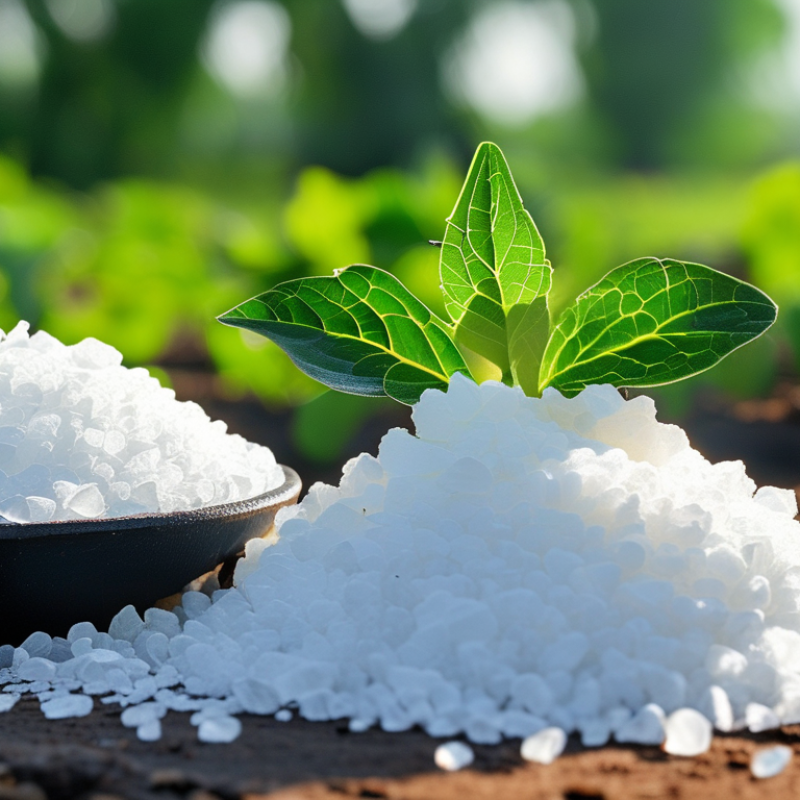
Water-soluble potash fertilizer dissolves rapidly in irrigation water. It supplies potassium as K2O-equivalent nutrients. Potassium supports water regulation, enzyme activity, sugar movement, and stronger stems. The U.S. Geological Survey estimated global potash production at about 71 million metric tons of K2O equivalent in 2023. That figure shows potassium’s continuing importance in commercial agriculture.
The main types include potassium nitrate, potassium sulfate, potassium chloride, and potassium thiosulfate. Potassium nitrate provides both potassium and nitrate nitrogen. It suits vegetables, fruit crops, and protected cultivation.
Potassium sulfate offers sulfur and lower chloride exposure. Potassium chloride is economical, but salt-sensitive crops may respond poorly. Selection should consider crop tolerance, irrigation water quality, and soil test results.
Fertigation places soluble potash near active roots. It can improve nutrient timing during fruit filling, tuber bulking, and drought periods. Foliar applications may help correct short-term deficiencies, but they cannot replace a balanced root-zone program.
FAOSTAT’s recent fertilizer statistics place global nutrient use near 190 million tonnes annually, reflecting intense pressure to use inputs efficiently. Field results are rarely perfect. Excess potassium can disturb magnesium or calcium uptake, especially in sandy soils.
Growers should check conductivity, solution compatibility, and leaf tissue data before repeated applications. A clean tank is not enough. Timing still matters.
China Top Water Soluble Potash Fertilizer Suppliers?
Key Criteria for Evaluating Chinese Potash Fertilizer Suppliers
Selecting a Chinese potash fertilizer supplier requires more than comparing prices. Start by checking the product specification, including potassium content, solubility, chloride level, moisture, and trace elements. A reliable supplier should provide recent certificates of analysis for specific production batches. Generic documents are not enough. Ask for independent laboratory results when crop sensitivity is important.
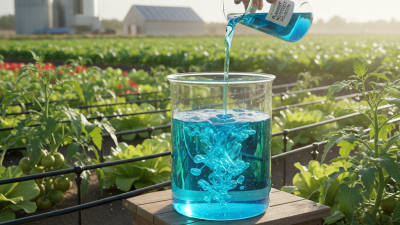
Production consistency deserves close attention. Request samples from different batches and dissolve them in clean water at the recommended concentration. Watch for sediment, cloudy water, or slow dissolution. These details can affect fertigation filters and uneven field application. Factory audits, quality-control records, and documented testing procedures offer stronger evidence than polished brochures. I have found that clear records often reveal more than attractive claims.
Packaging and logistics also influence fertilizer performance. Check whether bags resist moisture during humid storage and long-distance transport. Confirm labeling accuracy, pallet protection, loading methods, and realistic delivery schedules. Technical support matters too. Experienced staff should explain compatibility with calcium products, irrigation systems, and crop stages. A small field trial can expose problems before a large purchase. However, trial results may change with water quality, temperature, and soil conditions. That limitation should be recorded honestly. A low quotation may still hide costs from rejected batches, clogged equipment, or delayed replacement. Supplier evaluation is not perfectly objective, and my own checklist may miss local risks. Ask precise questions, keep written evidence, and review performance after each shipment.
This procurement framework prioritizes measurable product quality and supply reliability. Potassium oxide assay and complete water solubility receive the highest weights, followed by certificate traceability, regulatory compliance, contaminant control, delivery performance, and technical support. The percentages represent an evaluation model for comparing Chinese suppliers rather than company market-share data.
China-based water-soluble potash fertilizer suppliers serve greenhouse, fertigation, and specialty crop markets. Their common products include potassium sulfate, potassium nitrate, and high-analysis soluble blends. Typical grades range from 50% to 62% K2O, depending on the formulation. The International Fertilizer Association’s 2024 Medium-Term Fertilizer Outlook places global fertilizer demand near 192 million tonnes of nutrients in 2024. This supports steady demand for efficient potassium products, especially where irrigation systems require clean dissolution.
Experienced buyers should examine more than a product sheet. Ask for recent laboratory reports showing K2O content, moisture, insoluble matter, chloride, and heavy-metal limits. Check whether the supplier operates its own production line or mainly trades imported material. Export experience also matters. China Customs data and UN Comtrade records can help verify shipment activity, although trade codes may combine several fertilizer types. That limitation is easy to overlook. Packaging quality matters too; a damp 25-kilogram bag can cause caking before application.
China’s top water-soluble potash fertilizer suppliers should be judged by measurable quality, not catalog language. The IFA Fertilizer Outlook 2024–2028 expects global potash demand to keep growing, increasing pressure on consistent supply and nutrient accuracy.
Buyers should request recent laboratory reports showing soluble potassium content, moisture, insoluble matter, chloride, and heavy metals. A clean white crystal is useful evidence, but it is not proof.
Look for factories holding ISO 9001 quality-management certification and, where relevant, ISO 14001 environmental certification. Chinese suppliers should also provide compliance documents aligned with applicable NY/T standards for water-soluble fertilizers.
Production capability matters in practice. Strong facilities control raw-material screening, dissolution, filtration, crystallization, drying, and final packing. Batch records should connect each shipment with a production date and test result.
The FAO fertilizer data platform highlights the importance of nutrient-use efficiency, yet laboratory purity alone cannot guarantee field performance. Irrigation water, crop variety, and application timing still change results. A supplier claiming identical performance everywhere deserves careful questioning.
Request a retained sample, a third-party test, and a small trial before signing a large contract. Even experienced buyers sometimes overlook caking after ocean transport. That weakness should be tested, not explained away.
When selecting a Chinese water soluble potash fertilizer supplier, examine more than product photos and low quotations. Request a recent sample, certificate of analysis, safety data sheet, and production batch number. Check potassium content, chloride level, moisture, particle size, and complete dissolution in cold water. A reliable supplier should explain testing methods clearly. In practical sourcing, consistency matters more than one impressive sample. A polished website proves little.
Tips: Ask for a small trial order before signing a large contract. Test the fertilizer with your actual irrigation water, not only laboratory water. Compare three batches for color, sediment, and dissolving speed. Verify the factory address through a live video call or an independent inspection. Request photos of sealed bags, pallet protection, and container loading. Small details expose weak controls.
Purchase discussions should cover packaging weight, inner-liner quality, labeling, lead time, replacement procedures, and payment milestones. Suppliers with traceable records usually answer specific questions without hesitation. However, documentation can still contain mistakes. Read every figure carefully. Confirm whether the quoted potassium value refers to K2O and whether testing follows a recognized method. Ask for pre-shipment inspection when the order is significant. Do not rely on promises alone; keep approved samples, written specifications, and batch records for future comparison.