What is Potassium Nitrate Powder and its Uses in Agriculture?
Potassium Nitrate Powder plays a crucial role in modern agriculture. It provides essential nutrients like potassium and nitrogen, vital for plant growth. Dr. Emily Harris, an agricultural scientist, emphasizes its significance, saying, "Potassium Nitrate Powder is a powerful tool for boosting crop yields."
Farmers increasingly rely on Potassium Nitrate Powder for various applications. It enhances soil fertility and promotes healthy plant development. However, achieving an optimal balance in its use can be challenging. Over-application may lead to nutrient runoff and environmental concerns.
While Potassium Nitrate Powder offers many benefits, it's essential to consider its limitations. Not all crops respond equally to it. Some require specific soil conditions for optimal growth. As the industry evolves, understanding these nuances becomes critical for sustainable farming practices.
Understanding Potassium Nitrate Powder: Composition and Properties
Potassium nitrate powder is a critical compound in agriculture, often used as a fertilizer. Its chemical formula is KNO3, consisting of potassium and nitrate ions. This combination is essential for plant nutrition, promoting healthy growth and development. Studies reveal that around 50% of farmers utilize potassium nitrate due to its high solubility and quick absorption by plants.
The properties of potassium nitrate enhance its effectiveness in agriculture. It contains approximately 13% nitrogen and 46% potassium. This nutrient profile makes it particularly beneficial for fruit and vegetable crops. However, it is essential to apply it correctly. Overuse can lead to soil imbalances and environmental impact. Not all soils are suitable for potassium nitrate use. Soil testing is critical to avoid potential harm.
Moreover, potassium nitrate contributes to disease resistance in plants. Research shows that crops treated with it exhibit improved resilience against certain pathogens. However, a balance is necessary. Mismanagement can lead to nutrient runoff, adversely affecting nearby water sources. Farmers face the challenge of maximizing benefits while minimizing risks. Understanding potassium nitrate's properties can help achieve sustainable agricultural practices.
What is Potassium Nitrate Powder and its Uses in Agriculture?
| Property |
Description |
| Chemical Formula |
KNO3 |
| Molecular Weight |
101.10 g/mol |
| Solubility in Water |
Very soluble |
| pH Level |
7-8 (neutral) |
| Primary Uses |
Fertilizer, Food preservation, Rocket propellant |
| Benefits in Agriculture |
Enhances plant growth, Improves fruit quality, Increases yield |
| Application Methods |
Foliar spray, Soil application, Hydroponic systems |
| Safety Precautions |
Avoid inhalation, Use protective gloves, Store in a cool, dry place |
Historical Background of Potassium Nitrate in Agriculture
Potassium nitrate has a rich history in agriculture. Known as saltpeter, it was first used in ancient Persia. Farmers noticed that this mineral improved soil quality. It became essential for enhancing crop yields. In many regions, its use spread quickly. This was especially true in Europe during the Renaissance.
The 19th century saw a rise in potassium nitrate's popularity. Scientists began to understand its role in plant growth. This compound provided essential nutrients. Farmers relied on it for better harvests. However, knowledge was limited. Some struggled with proper application rates. This sometimes led to poor crop performance. Over time, education increased, but challenges remain.
Today, potassium nitrate is still vital in agriculture. Farmers use it to optimize crop production. However, some still lack information on how to use it effectively. Misapplication can lead to environmental issues. Reflecting on the past can help improve modern practices. Understanding the history of potassium nitrate informs current agricultural strategies.
Potassium Nitrate Uses in Agriculture
This chart displays the various uses of potassium nitrate in agriculture, highlighting its significance in plant growth and crop yield enhancement.
Primary Agricultural Applications of Potassium Nitrate Powder
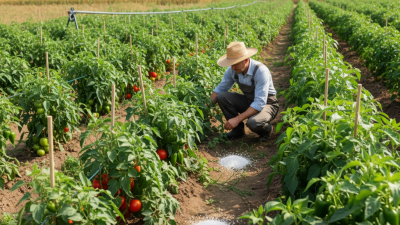
Potassium nitrate powder is a vital compound in agriculture. It is rich in potassium and nitrogen, making it an ideal fertilizer. Farmers often use it for various crops, enhancing growth and yield. This compound dissolves easily in water, facilitating nutrient uptake by plants.
One primary use of potassium nitrate powder is in promoting fruit and flower production. Fruits like tomatoes and strawberries benefit greatly from its application. The potassium helps strengthen plant cells, leading to healthier fruits. The nitrogen content boosts overall growth, ensuring robust plants. During the flowering stage, this compound can enhance flowering intensity and duration.
Tip: Ensure even distribution of potassium nitrate for best results. Inadequate application may lead to uneven growth.
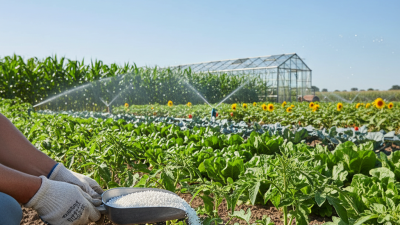
Another significant application is in improving drought resistance. This compound helps plants retain water, enhancing their resilience during dry periods. Farmers often mix potassium nitrate with irrigation systems for better efficiency. Additionally, it can improve soil health by restoring essential nutrients.
Tip: Regular soil testing can identify nutrient deficiencies. Knowing this helps in determining the right amount of potassium nitrate needed.
Benefits of Using Potassium Nitrate for Crop Production
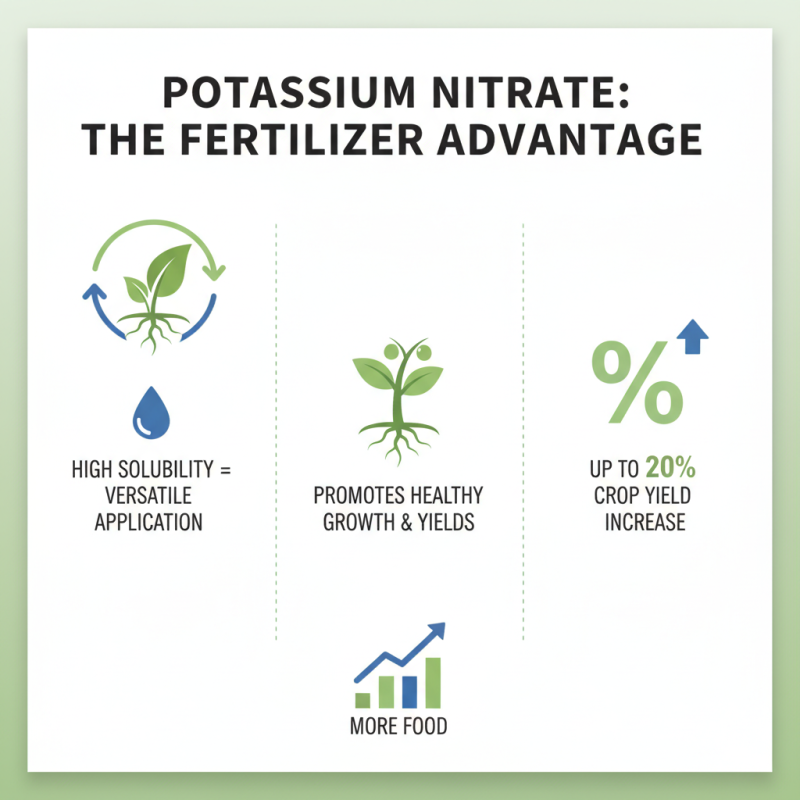
Potassium nitrate, a vital fertilizer in agriculture, offers numerous benefits for crop production. Its high solubility makes it an excellent choice for various application methods. Farmers appreciate its ability to promote healthy plant growth and increase yields. In fact, studies indicate that potassium nitrate can enhance crop yields by up to 20% in certain crops.
This compound supplies both potassium and nitrogen, two essential nutrients for plants. Potassium is crucial for water regulation and photosynthesis. Nitrogen is key for protein synthesis and overall plant vigor. Research shows that corn and tomatoes particularly benefit from potassium nitrate, showing significant improvements in fruit size and quality.
Despite its benefits, farmers sometimes miss the mark in application. Overuse can lead to nutrient runoff, harming surrounding ecosystems. Finding the right balance is imperative. Regular soil testing can help farmers apply potassium nitrate effectively, maximizing benefits while minimizing risks. Adapting practices based on soil health is crucial for sustainable farming.
Best Practices for Application and Handling in Farming
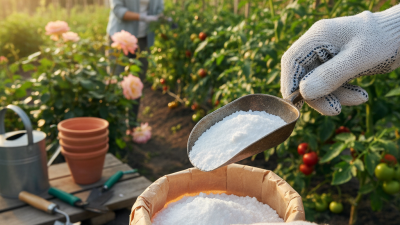
Potassium nitrate powder is widely used in agriculture. It provides essential nutrients, particularly nitrogen and potassium. Farmers must apply it correctly to maximize benefits. Improper handling can lead to reduced crop yields or soil imbalances.
For effective application, soil testing is crucial. This helps determine the right amount needed. Over-application can harm plants. Farmers should consider local weather conditions as well. Rain can wash away nutrients. Therefore, timing is essential.
Handling potassium nitrate safely is also important. Store it in a dry place. Avoid moisture to prevent clumping. Protective gear is recommended during application. This helps minimize health risks. Farmers should stay informed about best practices for safe use.