Choosing Calcium Nitrate Boron Fertilizer may help address specific nutrient needs, but it is not a universal solution. This fertilizer combines nitrate nitrogen and calcium with boron, an essential micronutrient. Each nutrient plays a different role in crop growth. Calcium supports cell structure, while boron contributes to normal growing-point development and reproductive processes. Nitrate nitrogen provides a readily available form of nitrogen.
The combination can be relevant for crops with high calcium or boron demands, including some fruit and vegetable crops. A grower might consider it when fruit quality, new growth, or flowering raises concerns. But symptoms alone can mislead. Poor growth or misshapen fruit may also reflect water stress, root damage, disease, or other nutrient imbalances. Results vary.
A reliable decision starts with the field, not the product label. Soil or plant-tissue testing can help identify whether calcium or boron is actually limiting. Crop type, soil conditions, irrigation, and application timing also affect nutrient uptake. Boron deserves particular care: crops need only small amounts, and excess can harm plants. Small details matter. This guide explains why growers consider Calcium Nitrate Boron Fertilizer, what potential benefits it offers, and which limits deserve attention. Its value depends on a diagnosed need and careful use, not on assuming that one blend will improve every crop.
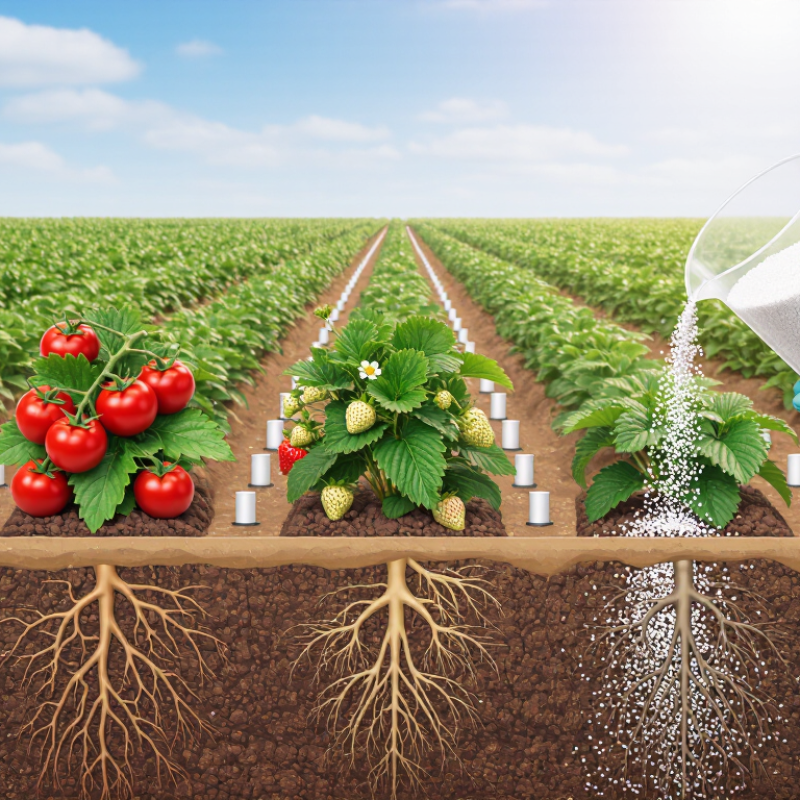
Calcium nitrate boron fertilizer is often chosen when crops need fast nitrogen, calcium, and a small boron supplement. A typical calcium nitrate grade supplies 15.5% nitrogen and about 19% calcium. Most nitrogen is nitrate nitrogen, which roots can absorb quickly under suitable moisture conditions. The International Fertilizer Association identifies nitrate fertilizers as highly soluble nutrient sources. That matters in vegetables, fruit crops, and protected cultivation, where calcium demand can rise during rapid tissue growth.
Calcium supports cell-wall strength and helps produce firm leaves, stems, and fruit. Boron supports pollen development, sugar movement, and growing-point formation. However, boron has a narrow safety range. Too little may impair flowering, while too much can damage leaf margins. Soil testing and plant-tissue analysis should guide the rate. The FAO fertilizer guidance also emphasizes matching nutrient applications with crop demand, soil conditions, and water availability.
In practice, growers may dissolve the fertilizer for fertigation or apply it through suitable irrigation systems. Keep it separate from concentrated phosphate or sulfate products, because precipitation can block lines. Clean water matters. Field experience shows that timing is often more important than adding more material. A grower may see greener leaves within days, yet calcium-related fruit disorders can still appear later. That is easy to misread. Weather, root health, salinity, and uneven irrigation can influence results. Product analysis should be checked before use, because “19% calcium” may refer to elemental calcium, not calcium oxide.
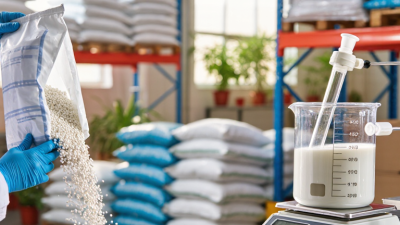
Calcium nitrate boron fertilizer supplies three useful nutrients in one application. Calcium helps build firm cell walls and supports stronger stems, leaves, and fruit tissues. Nitrate nitrogen provides readily available nutrition when crops need active growth. Boron works differently. It supports cell division, flowering, pollen tube development, and sugar movement inside plants.
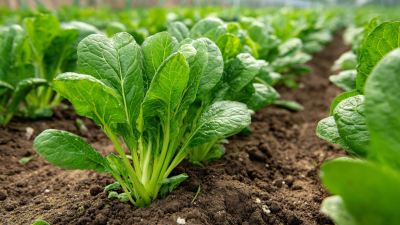
The difference becomes visible in the field. Well-supplied calcium can help young tissues resist cracking and weak growth. Adequate boron may improve flower development and fruit set, especially in crops with high reproductive demand. Small details matter. A tomato stem should feel firm, not brittle. New leaves should expand evenly, without distorted edges.
Boron requires caution. The distance between deficiency and toxicity can be narrow, so soil and tissue tests should guide application rates. A common mistake is treating every yellow leaf with fertilizer. Poor roots, drought, salinity, or disease may cause similar symptoms. Calcium also moves slowly within plants, making consistent soil moisture important. Split applications can be more practical than one heavy dose.
This fertilizer is not a miracle input. Results depend on crop type, soil pH, moisture, and timing. In sandy soils, nutrients may leach quickly. In alkaline soils, boron availability may still vary. Careful records, modest rates, and follow-up testing make the decision more reliable.
Before choosing a calcium nitrate-boron fertilizer, check whether the crop actually needs boron. Boron deficiency can reduce flowering, fruit set, or growth in young tissues, but symptoms vary by crop. They can also resemble drought stress or root damage. A visual diagnosis alone is weak evidence. Look closely, but test.
Collect soil samples from consistent field zones, avoiding fertilizer bands and unusual patches. Ask a qualified laboratory for a method suited to your soil and crop. Soil results help show boron availability, though they do not tell the whole story. Boron movement and uptake depend on moisture, soil texture, and root conditions. Small sampling differences matter.
Tissue testing can confirm what the plant has taken up. Sample the correct plant part at the recommended growth stage, and keep healthy and affected areas separate. Use clean tools and follow the laboratory’s handling instructions. Compare results with crop-specific ranges, not a generic target. Even good tests have limits; poor timing can muddy the picture. If deficiency is confirmed, select a rate with local agronomic guidance and follow the product directions. Calcium nitrate may also supply needed nitrogen and calcium, but more boron is not automatically better. The safe margin can be narrow.
Calcium nitrate boron fertilizer can support crops when calcium and boron demand overlap. Calcium strengthens cell walls and supports firm new growth. Boron assists flowering, pollen development, and nutrient movement. Yet boron has a narrow safe range. More is not better. Careful planning matters.
Begin with a soil or tissue test before choosing a boron rate. Then read the product label carefully. Crop demand differs between vegetables, fruit trees, grains, and ornamentals. Apply the labeled rate for the target crop and growth stage. Early applications may support root and leaf development. Pre-flowering treatments can suit crops with high reproductive demand. Split applications may reduce risk on light soils, but only when the label permits them. Avoid applying before heavy rain or during severe heat. Foliar sprays also need correct water volume and coverage.
In field work, I have seen timing errors waste an otherwise sound fertilizer plan. My first schedule looked logical on paper. Weather changed it. A delayed spray reached stressed plants, and the response was uneven. That experience reinforced a simple practice: adjust timing to crop condition, not the calendar alone. Keep records of soil results, rates, weather, irrigation, and visible crop response. Check sensitive areas separately. When results remain unclear, consult a qualified agronomist before increasing boron.
Choosing calcium nitrate boron fertilizer is less about adding more nutrients and more about controlling risk. Boron supports pollen development, cell walls, and nutrient movement in many crops. Yet its safe range is narrow. A small shortage can reduce flowering and fruit set. A small excess may scorch leaf edges, restrict roots, or reduce yield. Calcium nitrate provides soluble calcium and nitrogen, but the boron rate must remain crop-specific. That balance demands measurement, not guesswork.
In practice, soil tests, irrigation-water analysis, and tissue sampling should guide decisions. A single field sample can hide uneven boron distribution. Sandy soils and heavy irrigation may increase boron leaching. Dry conditions can also limit root uptake. Apply a calibrated rate in small, well-timed doses when possible. Record weather, growth stage, application rate, and leaf response. Measure twice.
Visual diagnosis alone is unreliable because boron deficiency can resemble drought, salinity, or root damage. Toxicity may appear as yellowing or burnt leaf margins, but symptoms vary by crop. Even careful programs can fail. A field can still surprise us. Uniform equipment does not guarantee uniform soil. Recheck tissue levels after application, then adjust cautiously instead of repeating the same rate. Local extension guidance and validated laboratory methods deserve priority when results conflict.