Top 10 Benefits of Calcium Nitrate As Fertilizer You Should Know?
Calcium Nitrate As Fertilizer has gained popularity for its numerous benefits in agriculture. It’s a vital source of nitrogen and calcium, essential nutrients for plant growth. Farmers are increasingly using it to enhance soil quality and crop yields.
The use of Calcium Nitrate As Fertilizer can support plant health. It aids in promoting strong root systems and robust foliage. With better nutrient absorption, crops can flourish even in challenging conditions. Additionally, it helps mitigate soil acidity, which is crucial for maintaining optimal pH levels.
However, there are aspects to consider. Overuse of Calcium Nitrate can lead to nutrient burn in sensitive plants. Farmers should apply it judiciously and with careful planning. Balancing its benefits and potential drawbacks is essential. Understanding the proper application techniques makes all the difference in successful crop production.
What is Calcium Nitrate and How Does It Work as a Fertilizer?
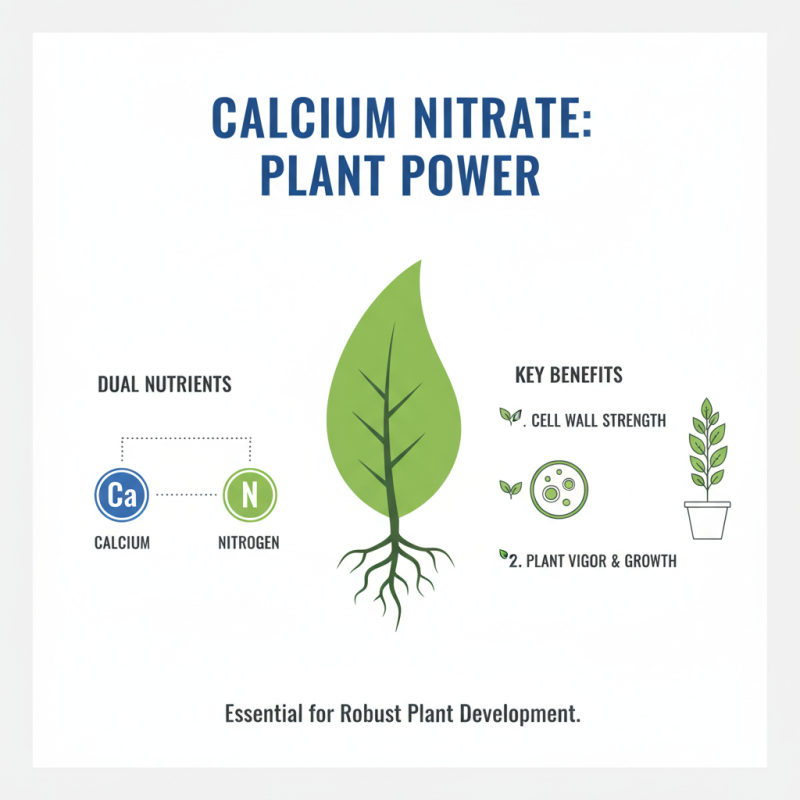
Calcium nitrate is a widely used fertilizer that supplies both calcium and nitrogen to plants. It contains 15.5% nitrogen and 19% calcium, making it a dual-purpose option for farmers. Its water-soluble nature allows for easy absorption by crops, resulting in faster growth. According to the International Fertilizer Association, calcium nitrate is particularly effective for leafy vegetables and fruits, enhancing quality and yield.
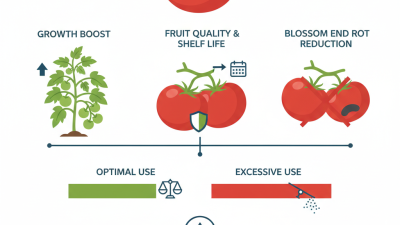
This fertilizer works by promoting root development and improving overall plant structure. It helps prevent physiological disorders in crops, such as blossom end rot in tomatoes. Research shows that crops treated with calcium nitrate can yield up to 20% more fruit. Its effectiveness often leads to increased profitability for farmers. However, it’s essential to monitor soil pH levels, as excessive use can lead to soil acidity issues.
While many farmers appreciate the benefits, the environmental impact is a concern. Over-application can result in nitrate leaching into water sources. This may contribute to water pollution, triggering algal blooms. Such issues require careful management and consideration of sustainable agricultural practices. Farmers should reflect on their usage patterns, balancing immediate yield boosts with long-term environmental health.
Key Nutrients Provided by Calcium Nitrate for Plant Growth
Calcium nitrate plays a crucial role in plant nutrition. It provides essential nutrients like calcium and nitrogen. Both are vital for healthy plant growth. According to research, calcium is key in strengthening cell walls. It enhances structural stability, promoting overall plant vigor.
Nitrogen, on the other hand, contributes significantly to plant development. It is a primary component of amino acids and proteins. Studies indicate that appropriate nitrogen levels can improve yields by up to 30%. This fertilization method is especially effective for leafy greens and fruiting plants, where nitrogen is critical for lush growth.
However, using calcium nitrate doesn't come without challenges. Over-application can lead to nutrient imbalances. It's important to monitor soil conditions closely. Soil tests often reveal varying levels of nutrients. This data helps farmers make informed decisions about fertilization rates. The balance between calcium and nitrogen is delicate, requiring careful management to avoid potential pitfalls.
Benefits of Calcium Nitrate for Soil Health and Structure
Calcium nitrate plays an essential role in enhancing soil health and structure. This fertilizer improves nutrient availability and promotes healthy microbial activity. According to a research report from the Soil Science Society, calcium is crucial for reducing soil acidity. It helps maintain an optimal pH, making nutrients more accessible to plants.
Moreover, calcium nitrate contributes to soil aggregation. This aggregation improves aeration and water infiltration, critical for root development. A study from the International Soil and Water Conservation Research indicates that soil with adequate calcium levels retains moisture better. Farmers noticed a 25% increase in water retention after applying calcium-rich fertilizers. However, some challenges exist. Over-application may lead to nutrient imbalances and potential leaching issues.
In addition, calcium nitrate can affect soil structure stability. This stability is vital during heavy rains. Soil with poor structure suffers from erosion and compaction. Yet, excessive use of calcium nitrate can lead to diminished returns. Farmers should balance its application to maximize benefits without harming soil integrity. Adjusting calcium levels in soils requires careful monitoring.
Application Methods and Best Practices for Using Calcium Nitrate
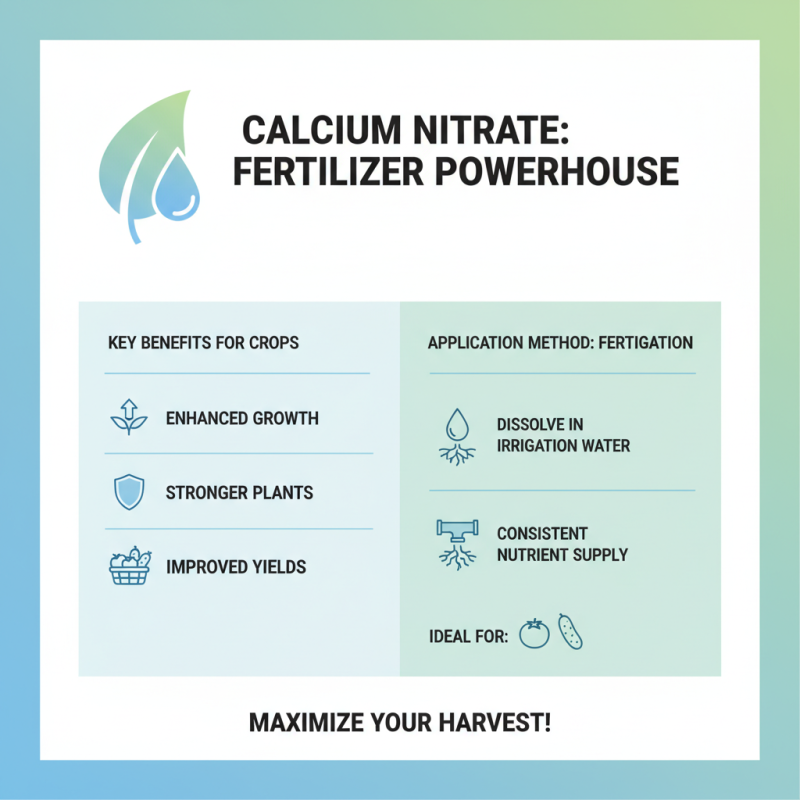
Calcium nitrate is a powerful fertilizer that offers various benefits to crops. Applying it correctly is crucial for maximizing its effects. One of the most effective methods is through fertigation, where the fertilizer is dissolved in irrigation water. This method ensures that plants receive a consistent and immediate supply of nutrients. It can be particularly useful for crops grown in high-demand conditions, like tomatoes or cucumbers.
Granular application is another common method. When using this approach, it's essential to apply the calcium nitrate at planting or during the growing season. This allows the roots to access nutrients as they develop. However, application timing can be tricky. Too early or too late may reduce effectiveness. Additionally, consider the soil's moisture content. Applying it in dry conditions can lead to nutrient lock-up, limiting its benefits.
Foliar application is also an option. Spraying a diluted calcium nitrate solution directly on the leaves can boost nutrient uptake rapidly. However, this requires careful timing and concentration. Over-application might burn the crops, leading to damage. Always monitor plant responses after application to adjust your methods for better results. Mistakes happen, and learning from them is key to improving future applications.
Comparing Calcium Nitrate with Other Fertilizers: Pros and Cons
When comparing calcium nitrate with other fertilizers, its unique properties emerge. Calcium nitrate provides both calcium and nitrogen, which are essential for plant growth. This dual benefit enhances soil structure, promoting healthier root systems. Within weeks of application, plants often show visible improvements.
However, other fertilizers also have their strengths. For instance, ammonium nitrate gives a quick nitrogen boost, but lacks calcium. Organic fertilizers improve soil health over time but may take longer to show results. It’s crucial to consider your specific crop needs and soil conditions.
Some growers report mixed results with calcium nitrate. It can lead to salt buildup if not used properly. Regular soil testing is essential to avoid this pitfall. Balancing between fertilization types can yield the best outcomes. Each option has pros and cons that need careful evaluation.
Top 10 Benefits of Calcium Nitrate As Fertilizer
| Benefit |
Calcium Nitrate |
Other Fertilizers |
| Promotes Healthy Growth |
Yes |
Moderate |
| Improves Soil pH |
Yes |
No |
| Enhances Nutrient Uptake |
Yes |
Limited |
| Supports Fruit Development |
Yes |
Depends on the type |
| Reduces Blossom End Rot |
Yes |
No |
| Fast-Acting |
Yes |
Variable |
| Increases Yield |
High |
Moderate |
| Compatible with Other Nutrients |
Yes |
Limited |
| Reduces Soil Salinity |
Yes |
No |
| Environmentally Friendly |
Yes |
Varies |